Sir David Attenborough Turns 100 — The Simple Dietary Change He Says Keeps Him Healthy and Still Working
On May 8, 2026, Sir David Attenborough — the legendary British broadcaster, natural historian, and the most beloved voice in wildlife documentary filmmaking — celebrated his 100th birthday. And remarkably, he is still working.
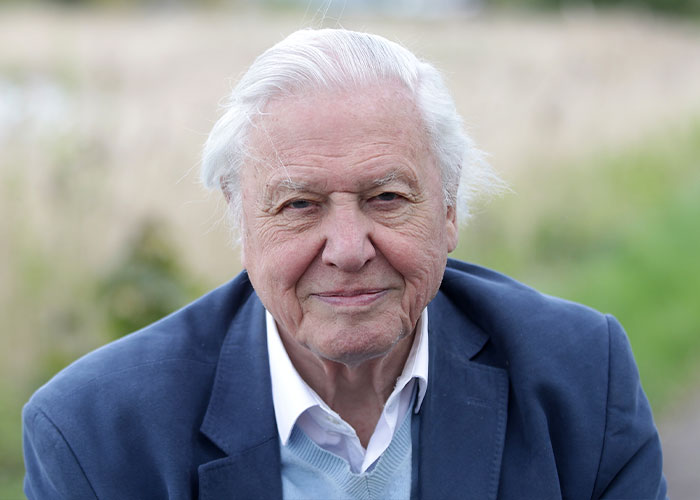
Image credits: Getty/Danny Martindale
As the world paused to honor this extraordinary milestone, many people turned their attention to a question that has fascinated fans for years: how has he managed to stay in such remarkable health for so long? The answer, according to Attenborough himself, lies largely in what he chooses to eat.
A Gradual but Meaningful Shift in His Diet
In an October 2020 interview with Good Housekeeping, Attenborough opened up about how his eating habits had evolved significantly over the years. He explained that the change had not been dramatic or overnight, but rather a quiet and steady shift toward a more plant-based way of eating.
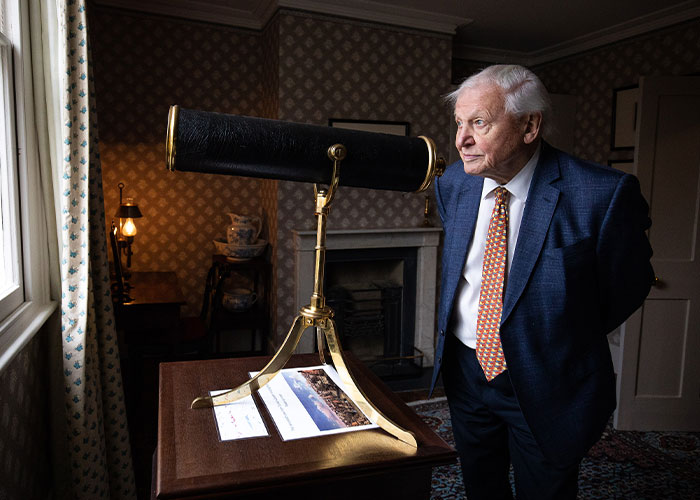
Image credits: Getty/Tim P. Whitby
He told the magazine that he had not eaten red meat in months and that over the previous few years he had gradually become far more vegetarian than he ever expected to be. He added that he still ate cheese and fish, but that plant-based foods had become the foundation of his daily meals.
Attenborough also addressed the topic in his 2020 book, A Life On Our Planet, where he acknowledged the significant impact that modern food systems — particularly animal agriculture — have on the natural world. While he recognized that a full shift to vegan eating would be a major cultural transition, he advocated for it as something worth working toward for the sake of the planet’s future.
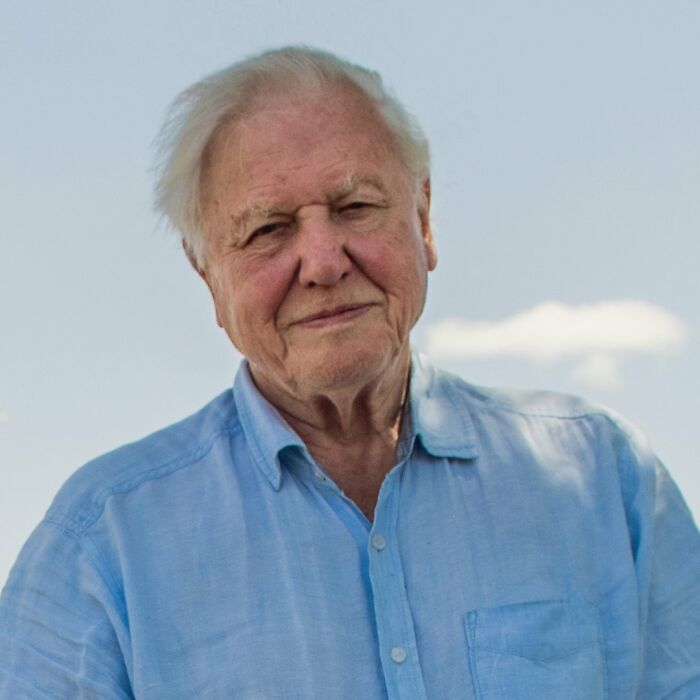
Image credits: davidattenborough
He reinforced this message during his BBC One series Planet Earth III in December 2023, where he highlighted just how much more efficient a plant-based food system could be. He noted that if society moved away from meat and dairy and toward plant-based food, energy from the sun would go directly into growing what we eat — and the same amount of food could be produced using just a quarter of the land currently used.
What the Science Says About Red Meat and Longevity
Attenborough’s choice to step away from red meat is increasingly backed up by medical research. Health experts have long pointed to red meat consumption — particularly in large quantities — as a contributing factor to a range of serious health conditions.
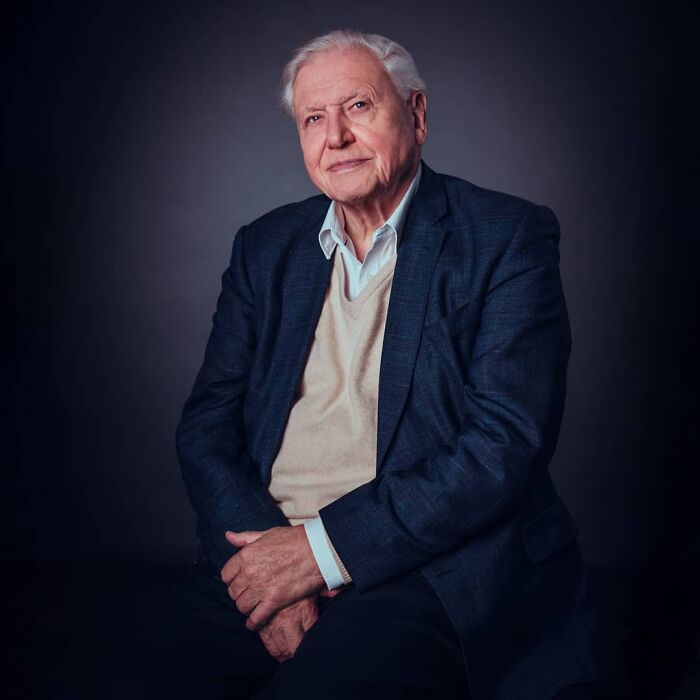
Image credits: davidattenborough
According to Cancer Research UK, certain compounds produced when red meat is cooked at high temperatures can cause damage to cells in the large intestine. These include haem, a red pigment found in meat, as well as heterocyclic amines and polycyclic amines that form during cooking.
A 2020 study published in the International Journal of Epidemiology found that people who consumed more than 79 grams of red or processed meat daily were 32% more likely to develop bowel cancer compared to those who ate just 11 grams a day. To put that into perspective, 79 grams is less than half of a typical grilled rump steak.
Red meat also contains elevated levels of saturated fat, which when eaten regularly can raise blood cholesterol and increase the risk of coronary heart disease.
The American Institute of Cancer Research recommends limiting red meat intake to no more than three portions per week, or roughly 12 to 18 cooked ounces, and eating as little processed meat as possible. Harvard Health Publishing suggested in a widely cited article that swapping just one daily serving of red meat for healthier alternatives such as fish, chicken, nuts, beans, whole grains, or low-fat dairy could reduce overall mortality risk by anywhere between 7% and 19%.
On top of diet, a recent large-scale study published in BMJ Medicine — which followed more than 111,000 participants over more than 30 years — found that physical activity also plays a major role in longevity. Among all forms of exercise tracked, walking was the single biggest contributor to a reduced risk of premature death. Those who walked the most were found to have a 17% lower chance of dying early compared to those who walked the least.
The Man Behind the Voice
Attenborough’s career spans more than seven decades, having begun in 1954 with Zoo Quest on the BBC. Over that time he has earned four Emmy Awards, multiple BAFTAs, 32 honorary degrees, and a reputation as one of the most trusted and admired voices on the planet.
TV producer Alastair Fothergill, who first collaborated with Attenborough in 1988 on The Blue Planet and later Planet Earth, recently wrote a tribute column in The Sunday Telegraph in which he offered a rare glimpse into the side of Attenborough that the public rarely sees.
Fothergill described him as an exceptional storyteller and wonderful company on location, noting that being out in the field with Attenborough meant evenings around the campfire filled with remarkable stories, chess, and music. He described Attenborough as a true Renaissance man — someone with an extraordinarily wide range of knowledge and genuine curiosity about the world in every direction.
Fothergill also defended Attenborough against past criticism that he had been too restrained in speaking out about the climate crisis. He recalled Attenborough explaining his reasoning: that there were others with far greater scientific expertise in that field, and that he still believed fundamentally in the importance of introducing younger generations to the natural world, because people cannot care about what they do not know.
The Internet Celebrates
When news of Attenborough’s 100th birthday circulated online, the response was an outpouring of genuine warmth and admiration from people all over the world. Comments described him as a “national treasure,” “the grandfather of the world,” and “one of the top three humans ever.” Many people expressed that he was one of the very few public figures who seemed to have no critics at all.
Some called for a public holiday in his honor. Others joked that there should be a petition to keep him around for another 1,000 years. One comment, which gathered tens of thousands of likes, simply said he had no haters — a remarkably rare thing to be said of anyone in today’s world.
Whether it is his plant-based diet, his lifelong connection to the natural world, his curiosity, or simply the contentment that comes from spending a century doing work he loves, Sir David Attenborough continues to be a source of wonder and inspiration for people of all ages around the globe.