
He Ended the Job Interview Himself. He Has Zero Regrets.
Most people sit through bad job interviews and say nothing. They smile, they answer every question, they thank the interviewer at the end, and then they go home and complain to someone who loves them. This man did something different. Halfway through an interview that was already going sideways, he told the HR recruiter they were not on the same page, wished him luck finding the right candidate, and ended the call. The recruiter was taken aback. He was not.
The original poster had spent years working as an investment rep at a major Canadian bank, a job he describes plainly as sales dressed up in financial language. The pandemic made the working conditions unbearable and he decided to move on, specifically to something that had nothing to do with customer service. He applied for a back office admin role at a company connected to employee retirement programs. A clean break. A reasonable next step. What followed was anything but reasonable.
The Interview That Started Badly and Got Worse
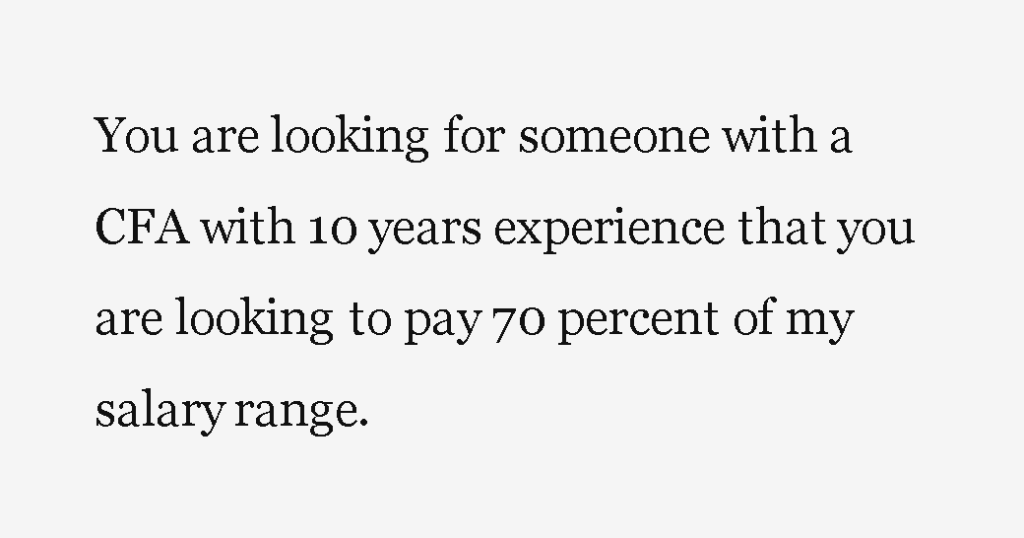
From the opening moments of the Teams call, the HR recruiter began listing reasons why the candidate in front of him was not quite right. The university on his resume was not the preferred one. His five years of experience fell short of their ten year preference. And then came the one that made him stop and push back directly. The recruiter mentioned the company would rather see a CFA designation. For an admin role. A back office position with no apparent need for one of the most demanding financial credentials in the industry.
He asked the recruiter to explain how a CFA would apply to this particular job. The recruiter could not answer. He said the manager just liked seeing it. That answer alone told him most of what he needed to know about how this organization made decisions and how it treated the people it was interviewing.
The Salary That Was Not the Salary
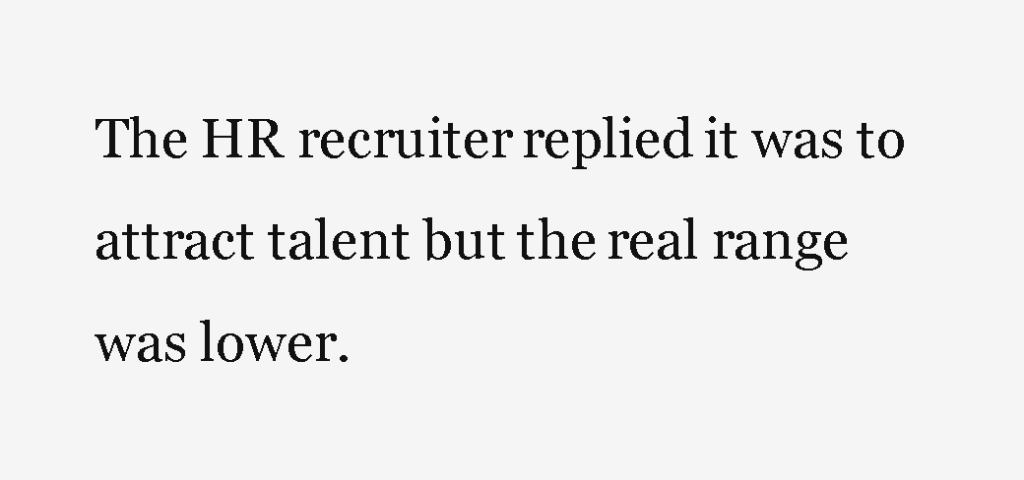
Then came the money conversation. He gave a range. The recruiter told him that range was too high and the real offer would come in at seventy to eighty percent of what he had asked for. When he pointed out that the salary listed on the job posting matched his range exactly, the recruiter explained that the posting used a higher number to attract applicants, but that it did not reflect what the company actually intended to pay.
That is a deliberate practice. It is not a miscommunication or an oversight. It means the company knowingly advertised one salary to get people into the room and then planned to offer something significantly lower once those people were already invested in the process. He recognized it for what it was and responded accordingly.
The Explanation That Made Everything Worse
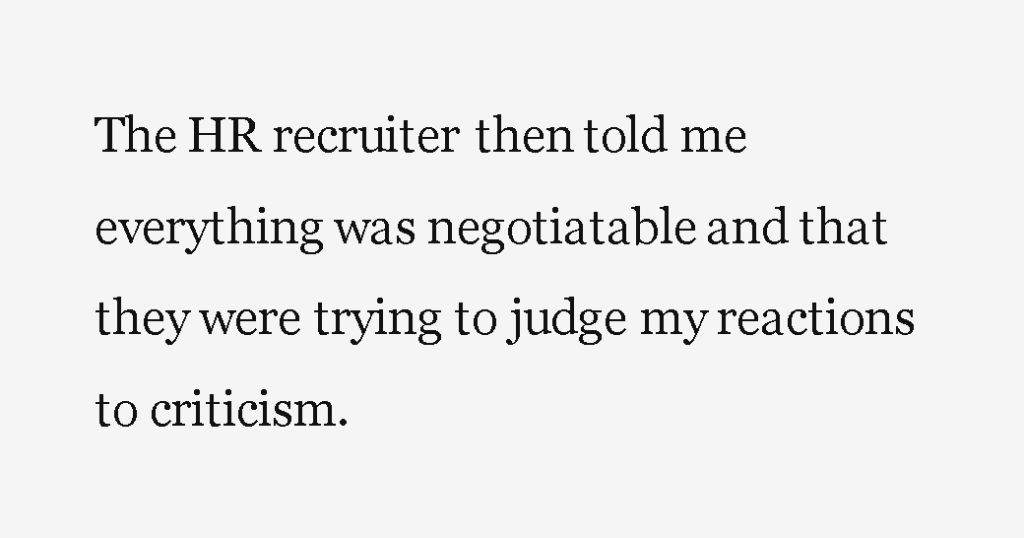
When he told the recruiter he was ending the interview, the recruiter revealed that all of it had been a test. The impossible requirements, the low salary offer, the criticism and pushback, all of it was supposedly designed to judge how he reacted under pressure. The recruiter told him everything was negotiable and that the company offered annual salary increases.
He did not find this reassuring. He found it confirming. A company that opens a professional relationship by deceiving someone and then frames that deception as a personality assessment is telling you exactly what it thinks of the people who work for it. It is telling you that manipulation is a tool it uses comfortably and that your discomfort with that manipulation is something to be evaluated, not apologized for.
What He Said Before He Hung Up
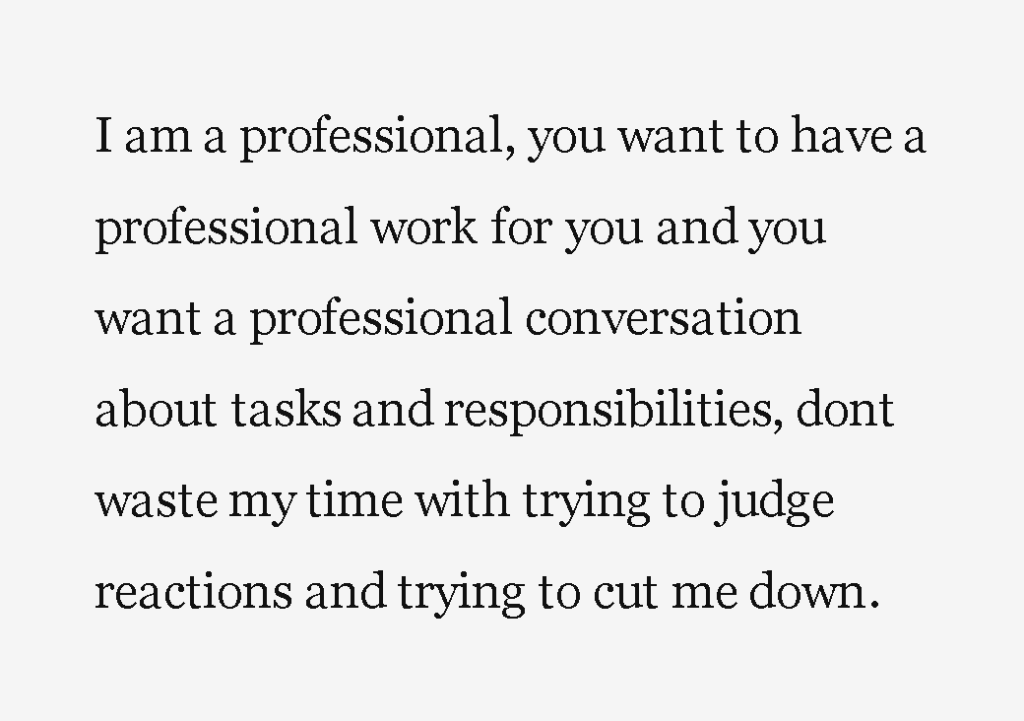
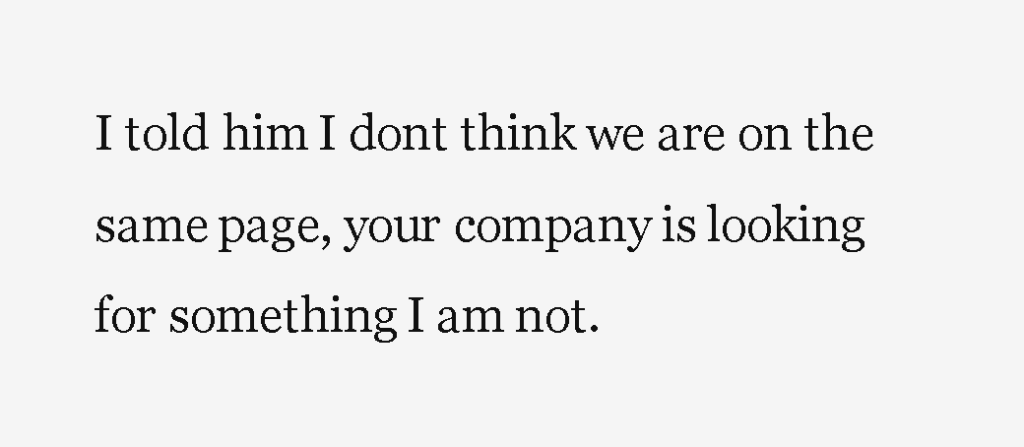
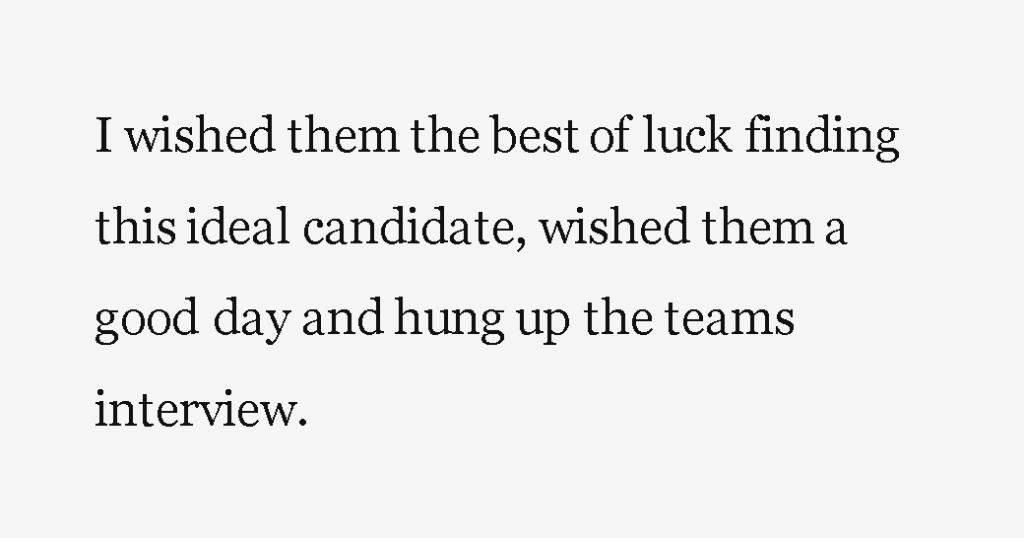
He told the recruiter that he was a professional who expected a professional conversation about tasks and responsibilities. He said he was not there to have his reactions tested or to be talked down to about qualifications he had earned. He wished the recruiter good luck finding the candidate they were describing, said good day, and ended the call.
The people reading his post overwhelmingly agreed with what he did. And the reason is not that walking out of an interview is always the right move. It is that he named something most people feel but do not say out loud. Your time and your attention are not free. An interview is not a favor someone is doing for you. It is a conversation between two parties who are both deciding whether the other is worth their investment. When one side starts playing games, the other side is allowed to simply stop playing.