

Best Countries to Travel: Ideas for Every Type of Trip
There is no single best country to travel to, and any list that claims otherwise is really answering a narrower question than it admits. The best country for a first big trip abroad is not the same as the best one for a wildlife safari, a two-week eating tour, or a cheap month of backpacking. So instead of one ranked list, this is a set of ideas grouped by what you actually want out of a trip, with a handful of countries under each and, more usefully, the reasons each one fits.
It helps to know the backdrop. Travel has fully rebounded, with roughly 1.4 billion international arrivals in 2024, essentially matching the pre-pandemic peak, according to UN Tourism figures reported by WorldAtlas. More people moving means more infrastructure, more information, and a fresh crop of recommended destinations each year from lists like Lonely Planet’s and National Geographic’s. The trick is filtering all of that down to the trip that suits you.
Start by Naming the Trip, Not the Country
Before you shortlist any destination, get specific about the trip itself. A few questions do most of the sorting. What do you mainly want, nature, culture, food, beaches, or adventure? Is your realistic budget, including the flight, which is often the largest single cost? What season can you travel in, and does that line up with the destination’s best weather? How far are you willing to fly, and how much jet lag can you absorb? How much planning do you enjoy versus how much you want handled for you? And how much does language comfort or a sense of safety matter to you? Answer those honestly and most of the options below start ranking themselves.
For a First Trip Abroad

If this is your first major international trip, weight the choice toward places that are easy to navigate, well connected, and forgiving of mistakes. Japan is a standout for exactly this reason: it is famously safe and orderly, the trains run with astonishing precision, and the food is superb at every price point, so a nervous first-timer tends to relax fast.
Portugal offers a gentle European entry point, walkable cities, short distances between regions, widely spoken English, and prices that stay reasonable by Western European standards. Costa Rica is built for travelers who want nature without a steep learning curve, with a mature ecotourism industry and a friendly, welcoming culture. And New Zealand rewards a simple self-drive itinerary with some of the planet’s most dramatic scenery, all in an English-speaking country with excellent tourist infrastructure. For any of these, resist cramming the map. One or two regions at an unhurried pace beats a checklist sprint.
For Nature, Wildlife, and Big Landscapes
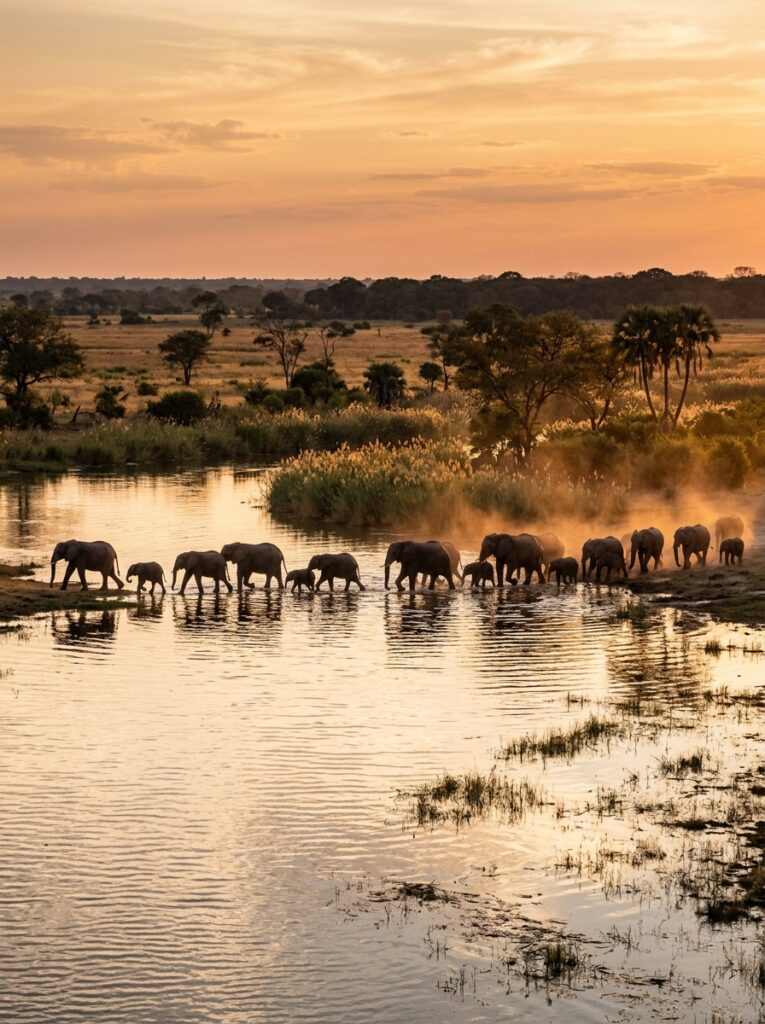
For travelers chasing animals and wilderness, a few countries stand well above the rest. Botswana earned a place on Lonely Planet’s Best in Travel 2026 list, which spotlighted its Linyanti Reserve alongside the famous Okavango Delta, as CNN reported. Botswana’s model leans toward low-volume, higher-value safaris, so you trade crowds for a more exclusive experience. Rwanda made National Geographic’s Best of the World 2026 for its Akagera National Park, once devastated by poaching and now a conservation success story, and the country pairs classic safari with the rare chance to trek mountain gorillas, per CNN’s coverage.
Costa Rica packs an outsized share of the world’s biodiversity into a small, accessible country, ideal if you want cloud forests, volcanoes, and beaches in one trip. And for reefs and islands, Fiji also appeared on Nat Geo’s 2026 list as it expands its sustainable tourism, a strong pick for snorkeling and diving.
For History and Culture
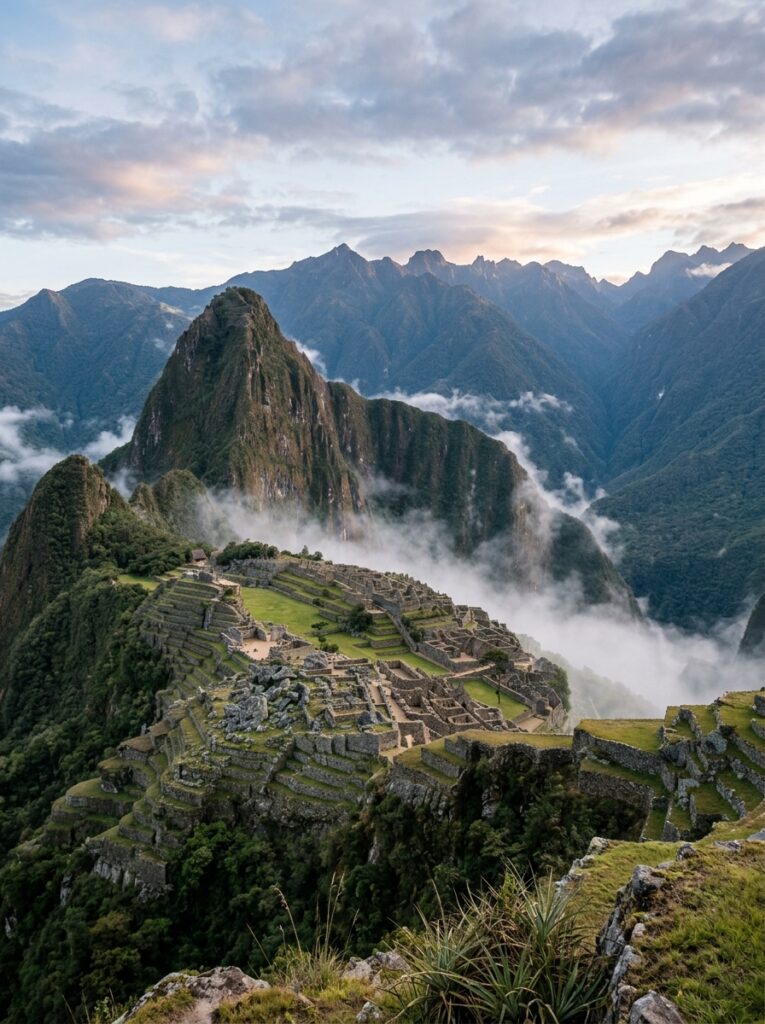
If layered history is what pulls you, aim for countries where the past is genuinely present. Peru made Lonely Planet’s 2026 list and remains the anchor of any Andean trip, with Cusco, the Sacred Valley, and Machu Picchu forming one of the great history routes, plus the white-stone city of Arequipa as a quieter base.
Uzbekistan is one of National Geographic’s more unexpected 2026 picks, singled out for the Silk Road city of Khiva, whose walled old town of Itchan Kala feels like stepping into a living museum, and it sits within reach of Samarkand and Bukhara, as Nat Geo’s announcement noted in its span “from the Philippines to Finland.” Italy layers Roman ruins, Renaissance cities, and alpine scenery in a way few places match, and its 2026 attention includes the Dolomites hosting Winter Olympic events. Turkey turned up on Nat Geo’s list for its under-visited Black Sea coast, a fresh angle on a country already rich with Istanbul and Cappadocia.
For Food-Led Travel
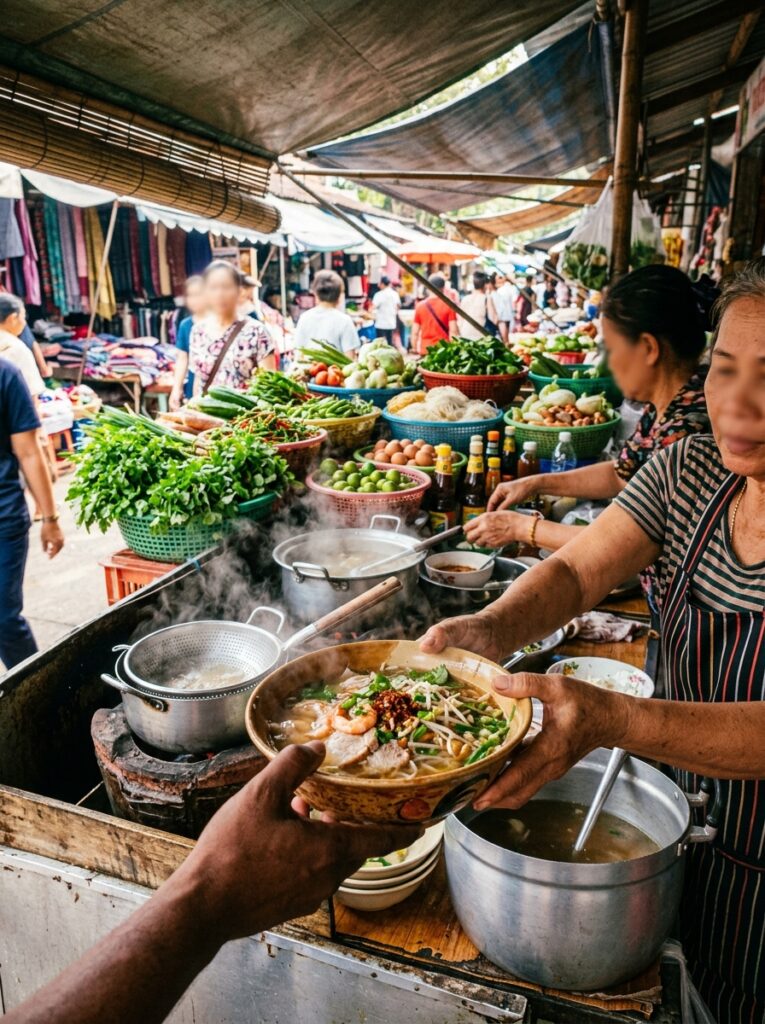
Some countries are worth visiting for the table alone. Italy is the obvious one, though the real move is to travel region by region, since the food changes completely from Emilia-Romagna to Sicily. Japan rewards eaters at every level, from convenience-store snacks to precise multi-course meals, and a ryokan stay with its included dinner is one of the country’s culinary highlights. Vietnam is a food traveler’s dream on a budget, and Lonely Planet’s 2026 experiences even featured cruising the Mekong through the country’s rustic south. Mexico offers a depth of regional cooking that goes far beyond the clichés, while Spain rewards a slow crawl through its tapas culture, with the Atlantic port of Cádiz among Lonely Planet’s 2026 picks. For any food-led trip, build it around markets, a cooking class or two, and a single region rather than a rushed national tour.
For Beaches and Islands
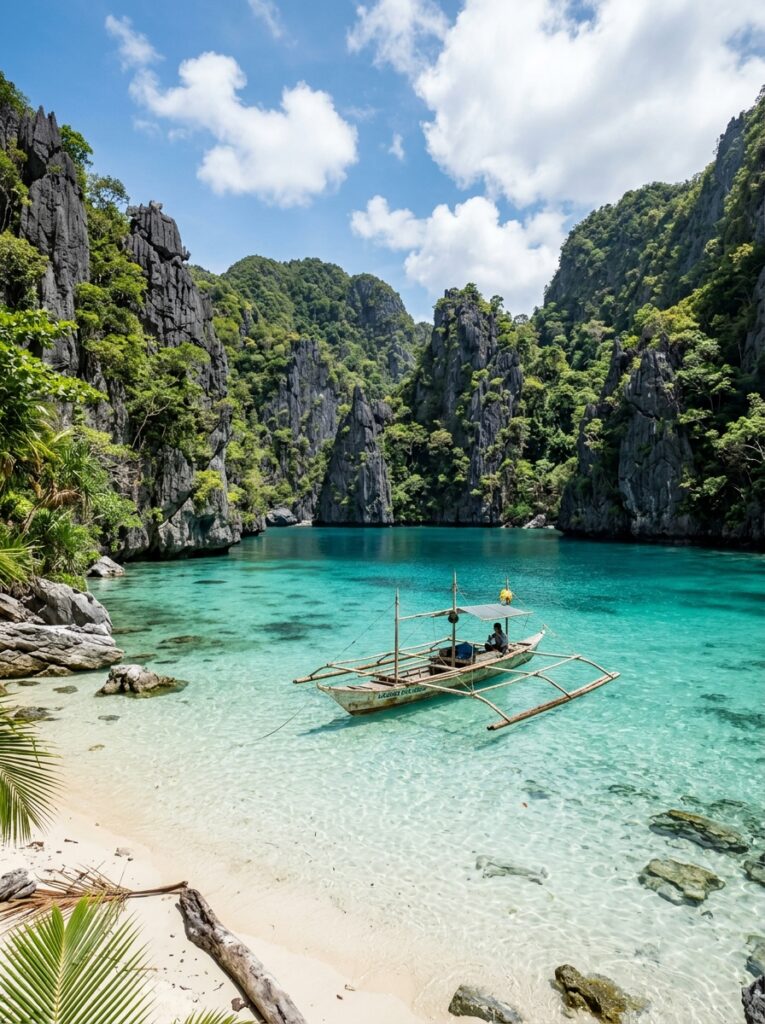
When the goal is sand and water, the choice comes down to the kind of island life you want. Barbados made Lonely Planet’s 2026 list, prized for its calm turquoise west-coast bays and a dry, sunny winter season. The Philippines, a National Geographic 2026 pick, spreads more than 7,000 islands across the Pacific, with world-class beaches, vibrant reefs, and famously warm hosts. Fiji suits travelers who want reef-focused island-hopping with a growing sustainable-tourism scene. Greece pairs iconic island scenery with deep history, so beach days come with ancient sites attached. And Sardinia, on Lonely Planet’s 2026 list, offers a less-trodden Mediterranean alternative to the usual Italian coast.
For Budget-Friendly Adventures
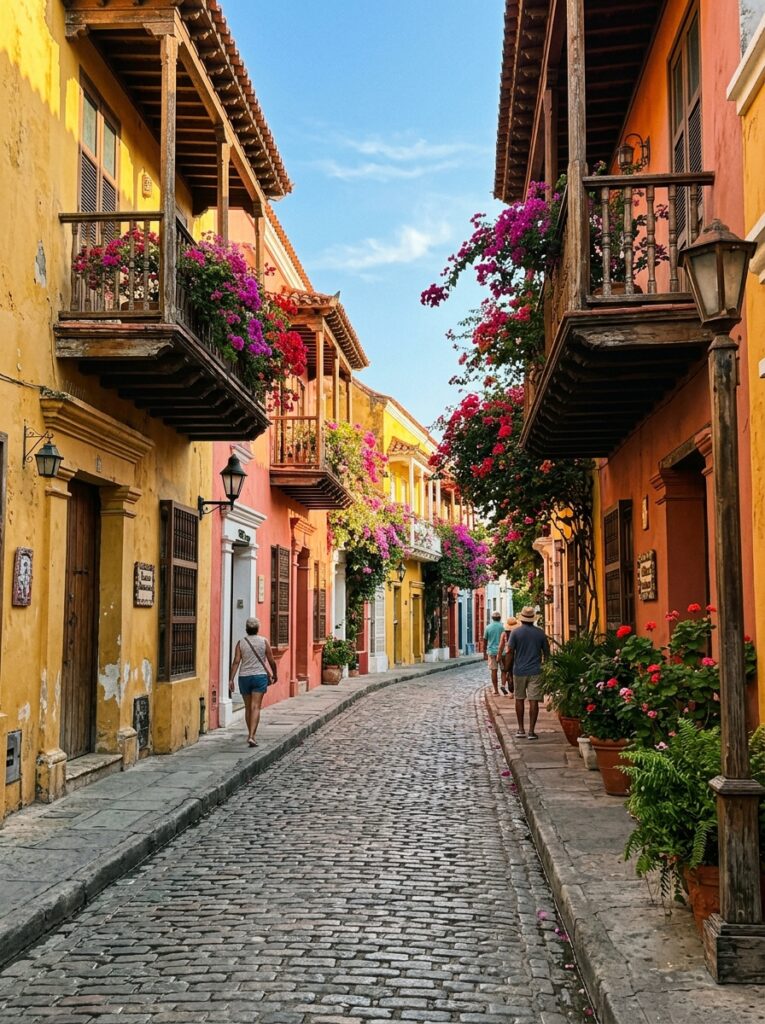
If you want your money to stretch, some countries deliver remarkable value without feeling like a compromise. Vietnam consistently ranks among the best value in the world, with cheap, excellent food and low daily costs. Guatemala made Lonely Planet’s 2026 list through the highland city of Quetzaltenango, known as Xela, a base for volcanoes, markets, and language schools at modest prices.
Tunisia also appeared on the 2026 list, offering Mediterranean coast, Roman ruins, and Saharan edges for far less than its European neighbors across the water. Colombia stretches a budget across Caribbean coast, Andean cities, and coffee country, with Cartagena’s walled old town among the 2026 highlights. And Uzbekistan delivers Silk Road grandeur at prices that surprise most first-time visitors. Traveling in shoulder season stretches any of these budgets further still.
Where the Big Crowds Go, and Why That Matters

It is worth knowing which countries top the global charts, both for what they offer and for the trade-offs that come with the crowds. In 2024, the most recent full year of UN Tourism data, France was the world’s most visited country with about 102 million international arrivals, becoming the first nation ever to pass 100 million and accounting for roughly 7 percent of the global market, as reported by RoadGenius. Spain followed with 93.8 million, then the United States with 72.4 million, Turkey with 60.6 million, and Italy with 57.8 million.
These countries lead for good reason: deep infrastructure, easy connections, and a dense concentration of landmarks. But volume has a downside. Record numbers have fueled anti-tourism protests in Barcelona and the Balearic Islands, where residents say visitor loads are straining housing and daily life, WorldAtlas notes. The practical takeaway is not to avoid these countries but to visit them thoughtfully, in shoulder season and often in their lesser-known regions rather than only the headline cities.
What the 2026 “Best” Lists Are Pointing To
Reading this year’s expert lists together reveals a clear direction. Both Lonely Planet’s Best in Travel 2026 and National Geographic’s Best of the World 2026 lean hard into emerging, under-the-radar destinations, sustainability, and what Nat Geo’s editor described as places the algorithms are not already pushing at you. That is why country-level picks like Botswana, Peru, Rwanda, the Philippines, Fiji, Tunisia, and Uzbekistan sit alongside fresh takes on familiar places. These lists are curated by panels of travel experts rather than generated by popularity alone, which makes them a genuinely useful source of ideas when your own shortlist feels stale. Treat them as a prompt, then filter through the trip-type questions above.
How to Actually Pick and Plan

Once a country or two rises to the top, a handful of practical checks turn an idea into a workable trip. Match your dates to the destination’s best season, since shoulder season usually means fewer crowds and lower prices for only a small trade in weather. Confirm entry requirements early, including visa rules and how many months of passport validity you need.
Check current safety guidance from an official source such as the U.S. Department of State travel advisories or, for UK travelers, the FCDO foreign travel advice, rather than relying on rumor or a single headline. Budget the whole trip, not just the flight, and remember that some expensive-to-reach countries are cheap once you arrive, while some nearby ones are not. Above all, keep the itinerary honest to the time you have. The best countries to travel reward depth over distance, and a trip built around one or two regions almost always beats a blur of half-seen highlights.