
Her Future Mother in Law Won’t Attend the Wedding Unless It Meets Her Standards. Should She Keep Fighting?
A 24-year-old woman is facing one of the most emotionally exhausting situations a couple can experience before their wedding day. Her future mother in law has made it clear: attend on her terms, or not at all. The couple is paying for everything themselves, they know what they want, and yet one person’s need for social status is threatening to overshadow one of the most personal days of their lives.
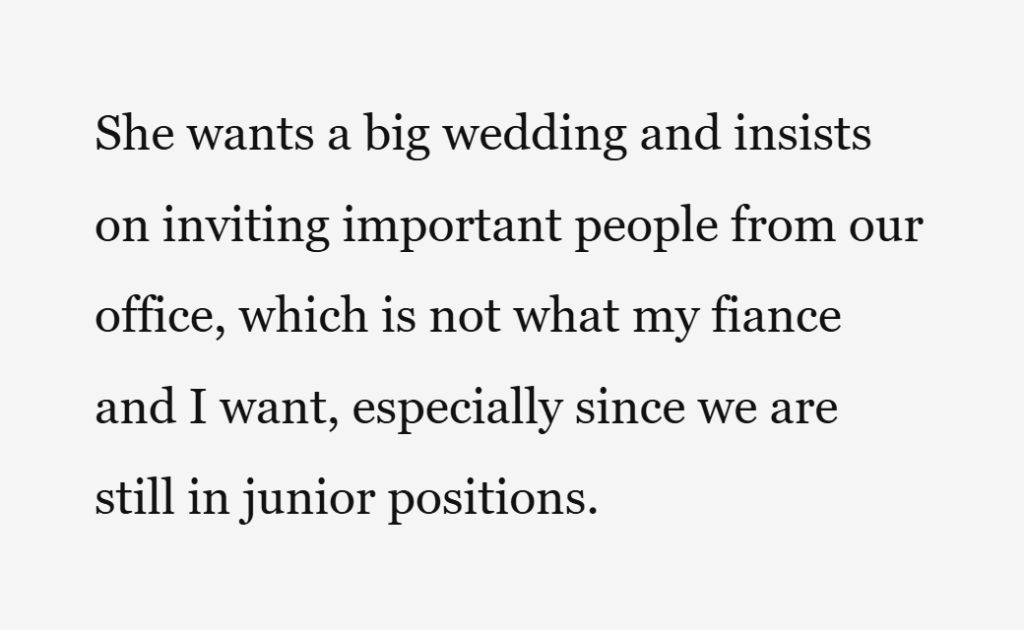
The original poster and her fiance are in their mid-twenties, still in junior positions at work, and planning a wedding that reflects their reality. They want something meaningful, not something performative. That is a completely reasonable position. And yet his mother is insisting on a grand event with office colleagues and prominent guests, not because she loves her son deeply, but because she is afraid of what people will think.
When a Wedding Becomes Someone Else’s Social Event
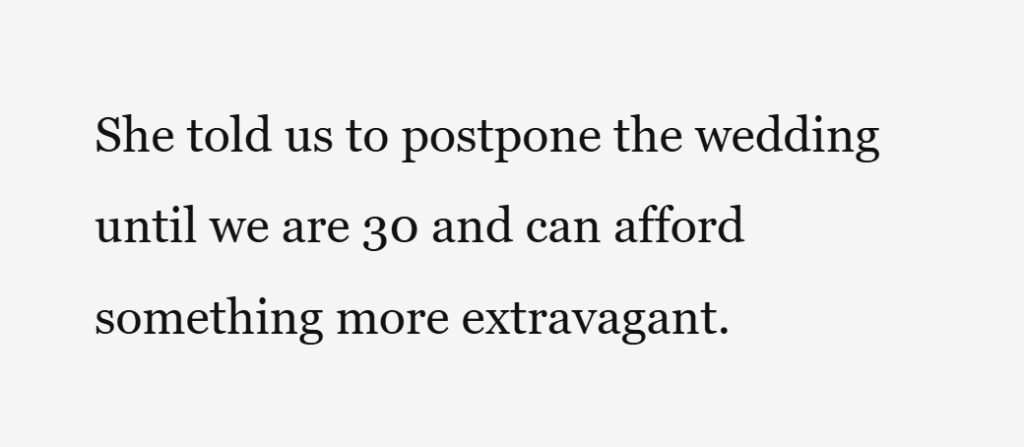
There is a particular kind of pressure that exists in cultures where weddings are not just celebrations between two people but public statements about a family’s status and standing. Southeast Asian wedding culture, as the poster notes, is often family centered and community oriented. That is beautiful when it works. But it becomes a problem when one family member decides that her comfort and reputation matter more than the couple’s wishes.
The mother is not objecting because she dislikes her future daughter in law. She has no issue with the person. She has an issue with the optics. She wants to be seen at a grand wedding. She wants the office colleagues there. She wants to feel proud in a very specific, public way. And if she cannot have that, she would rather not show up at all.

The Pattern Behind the Ultimatum
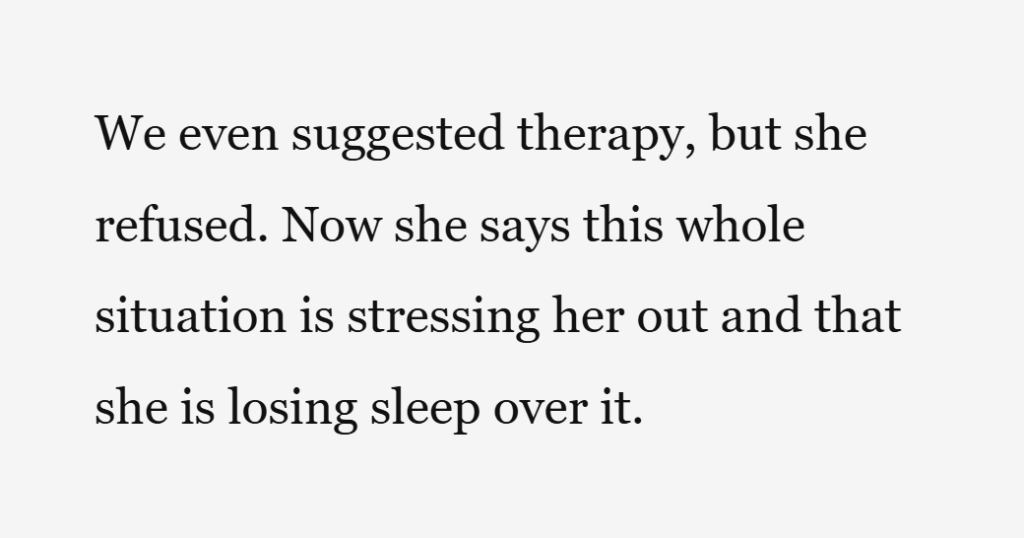
What makes this situation particularly difficult is that this is not a one-time reaction. The poster describes a recurring pattern: a mother who acts as if the world revolves around her, who does not take no for an answer, and who refused even the suggestion of therapy. This is not someone who is simply hurt or scared. This is someone who has learned that her ultimatums work.
When people issue ultimatums about weddings, they are usually counting on the couple’s love and guilt to bring them around. It is emotional leverage. And it often works because couples, especially in family-oriented cultures, feel the weight of keeping everyone happy.
But here is the thing: you cannot keep everyone happy when one person’s happiness requires you to give up your own.
What the Couple Has Already Done Right
It is worth pausing to acknowledge what this couple has already done. They have explained their plans clearly. They have expressed their wishes respectfully. They involved her in the process. They suggested therapy. They did not shut her out or ignore her feelings. They did everything a reasonable couple should do.
At some point, when you have done everything right and the other person still refuses to budge, the problem is no longer yours to solve. You have done your part. The rest belongs to her.


Should She Keep Fighting?
There is no version of this story where the couple redesigns their entire wedding to meet someone else’s social expectations and comes out feeling good about it. Even if the mother attended a grand event, the memory would always carry the knowledge that it was not what they wanted. It was what she demanded.
The more honest question is not whether to keep fighting. It is whether the mother will eventually choose connection over control. That is her decision to make, not theirs.
Your wedding is yours. The people who love you will be there. And the people who only show up on their own terms were never really showing up for you in the first place.