
“You Wanted Me Gone? Done. Enjoy Running the Meeting Without Me.”
She Warned Her Boss. He Didn’t Listen. Then the Meeting Fell Apart.
Most mornings, getting dressed for work is the last thing on your mind. You pick something clean, something suitable, and you move on. For a software engineer who shared her story on Reddit, that simple routine turned into a workplace standoff that nobody in her office is likely to forget anytime soon.
What Actually Happened
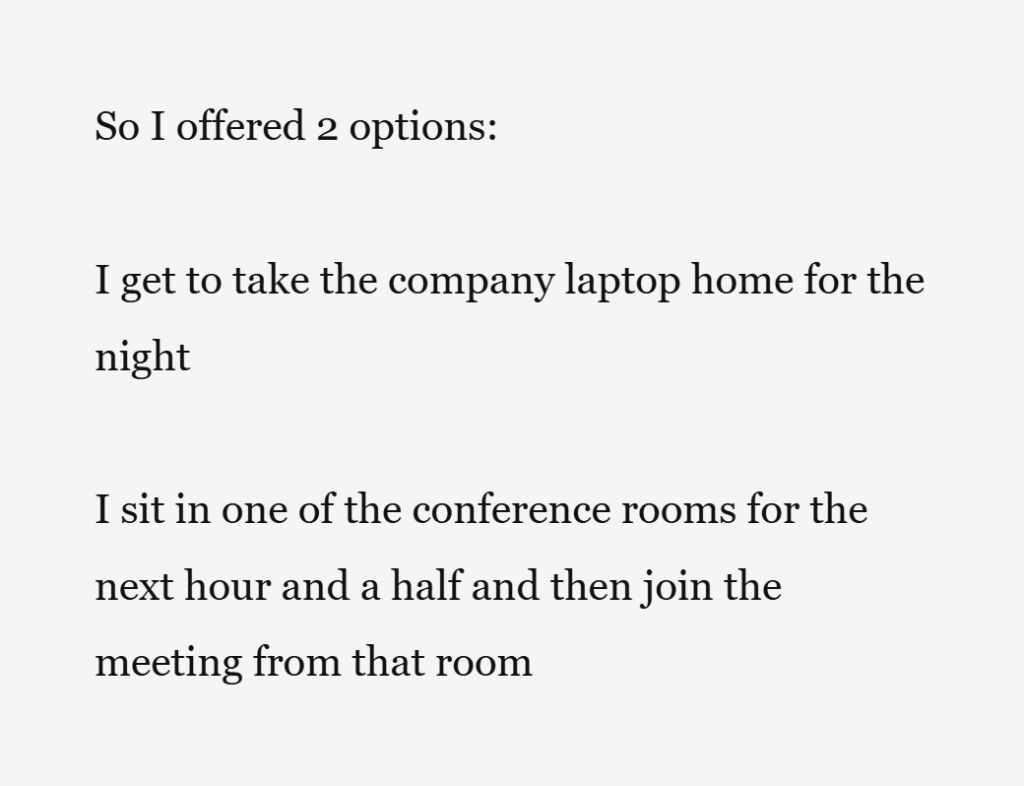
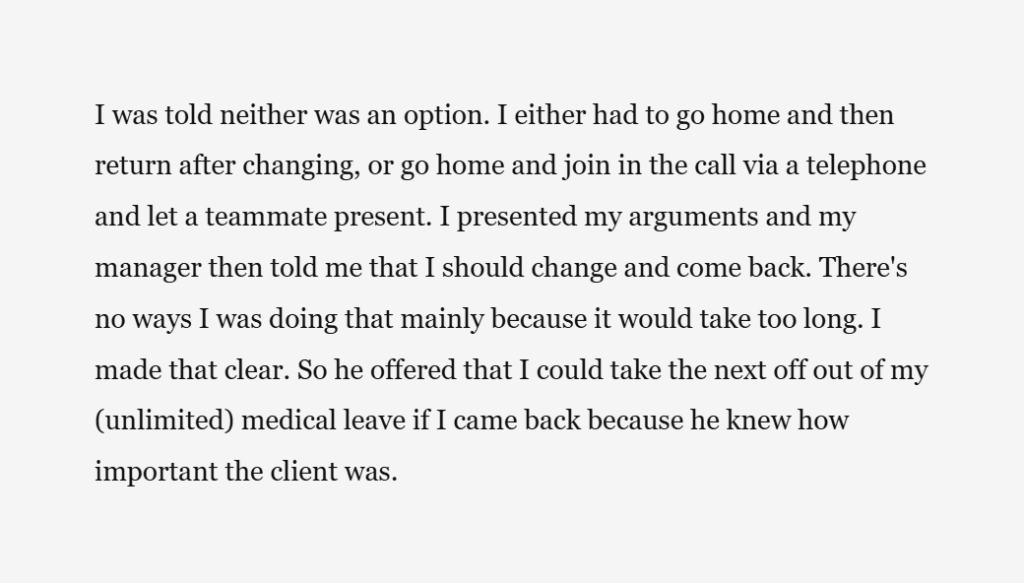
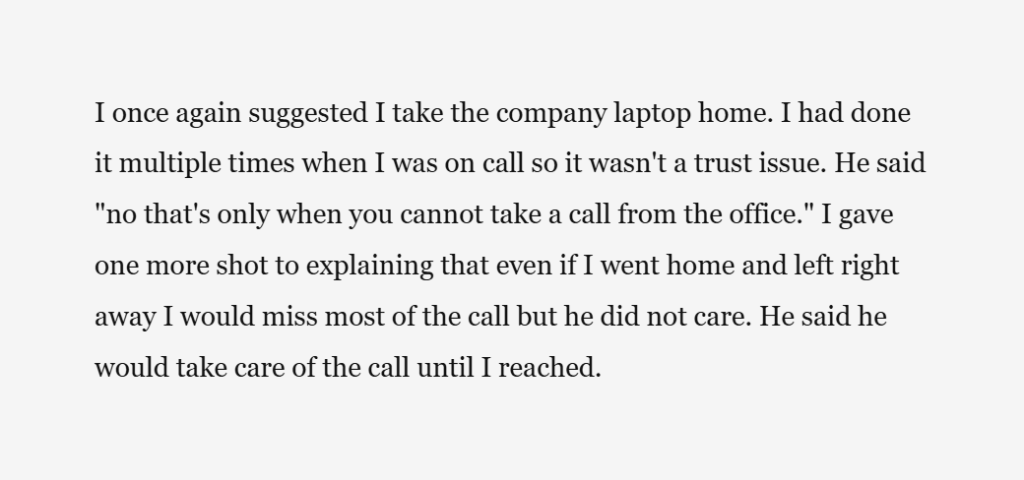
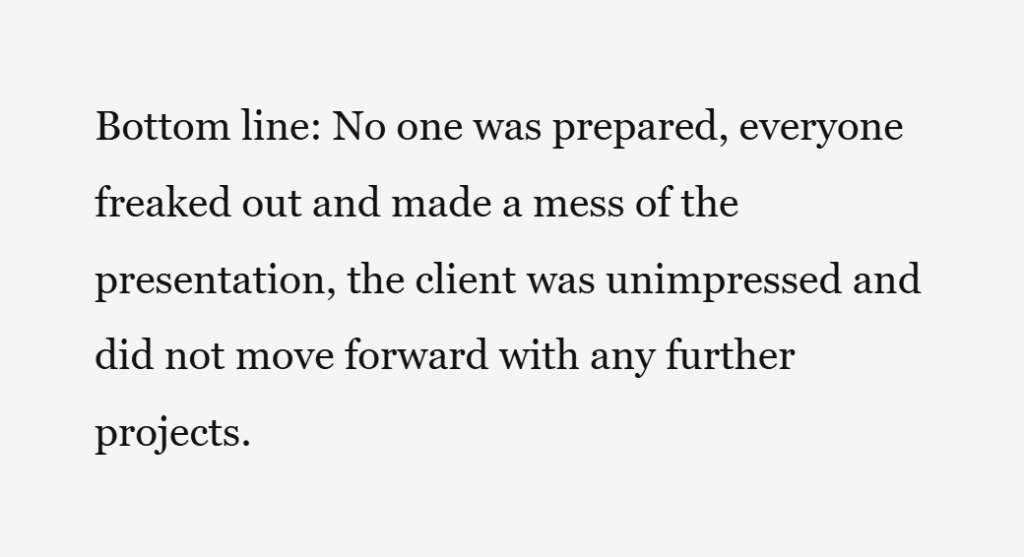
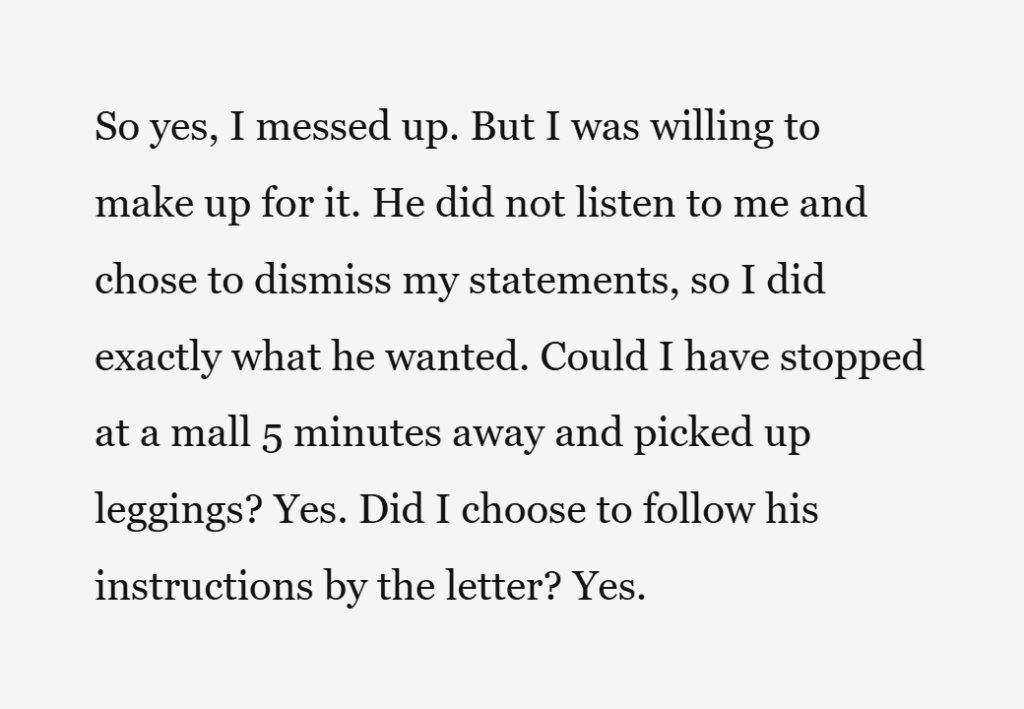
The woman arrived at work on what should have been a perfectly ordinary day, except that she was scheduled to lead an important client meeting. Her manager pulled her aside before it began and told her that her dress was too short and that she needed to go home and change. She pushed back. She explained clearly that going home and coming back would mean missing the meeting she was supposed to be running. Her boss heard her out and insisted anyway. So she did exactly what he asked. She went home. She changed. She came back. And by the time she returned, the meeting had already unraveled without her.
Why Malicious Compliance Works So Well
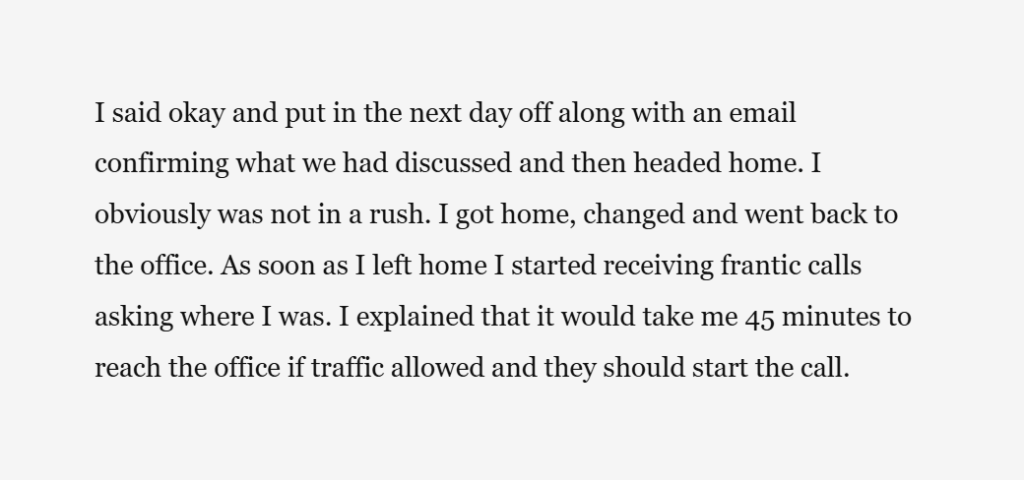
There is something deeply satisfying about this kind of story because the employee did nothing wrong in the traditional sense. She followed every instruction she was given. She did not argue, refuse, or cause a scene. She simply obeyed, completely and literally, and let the consequences speak for themselves.
What makes malicious compliance so compelling is that it forces the person giving the unreasonable order to face the direct result of their own poor judgment. No one can point a finger and say the employee was insubordinate. The boss made his bed and had to lie in it.
The Dress Code Debate at Work
Workplace dress codes are not going away anytime soon, but the conversation around them has shifted considerably in recent years. According to a 2023 Gallup poll, around 41 percent of workers in the United States wear business casual attire, nearly a third wear everyday street clothes, and only about 3 percent report wearing formal business professional dress to their jobs. The trend is clearly moving toward comfort and practicality. Many companies have found that relaxing dress code expectations actually increases employee satisfaction, reduces stress, and can even improve productivity. When people feel comfortable in what they are wearing, they tend to focus better on the work itself.
When Dress Codes Cross a Line
Not all dress codes are created equal, and not all enforcement of them is fair or reasonable. Experts who study workplace policy consistently note that dress codes should be written clearly, applied consistently across all employees regardless of gender, and never used as a vehicle for personal judgment or harassment. Vague standards that leave room for a manager to decide on a case by case basis what is and is not appropriate are a recipe for exactly the kind of conflict this woman experienced. If there is no written rule that specifies a minimum skirt length, then asking someone to go home and change for wearing a short dress is not enforcement of a policy. It is a personal opinion being wielded as authority.
The Internet Had Thoughts
When the story made its way around Reddit, the response was overwhelming. Most readers were firmly on the woman’s side, applauding her for following the letter of the instruction without giving her manager an inch of room to complain about it. A handful of commenters questioned whether she could have found a quicker solution, like picking up something nearby, but others quickly pointed out that it should never have been her problem to solve in the first place. The meeting was her responsibility. Her boss removed her from it by his own choice. Whatever fallout followed was entirely of his own making.
What This Story Gets Right About Workplace Power
At its core, this is not really a story about a dress. It is a story about what happens when someone in a position of authority stops listening and starts ordering. The woman gave her manager all the information he needed to make a sensible decision. She told him the stakes. He chose not to hear it. And in doing so, he demonstrated something that plays out in workplaces all over the world every single day: the people closest to the work usually understand the consequences of decisions far better than the people making them from a distance.
Good management means listening to that. Bad management means finding out the hard way why you should have.