
FIFA Denies Ball Hit Camera Cable Before Bellingham’s Goal, But Replays Say Otherwise
World Cup quarterfinals are supposed to be decided by players, not broadcast equipment. Yet the biggest talking point from England’s dramatic win over Norway in Miami has nothing to do with a tackle, a save, or even a referee’s whistle. It centers on a cable hanging high above the pitch, a goal kick that seemed to clip it, and a governing body insisting nothing happened while much of the watching world saw something else entirely.
Jude Bellingham’s brace in the oppressive Miami heat carried England past Norway 2-1 after extra time and into the World Cup semifinals. His performance was heroic by any measure. But the goal that started England’s comeback now sits under a cloud, and FIFA’s explanation has only made the controversy louder. ESPN
Here is everything we know about the incident, FIFA’s response, why Norway feels wronged, and what the rules actually say should have happened.
What Happened in the Buildup to the Goal

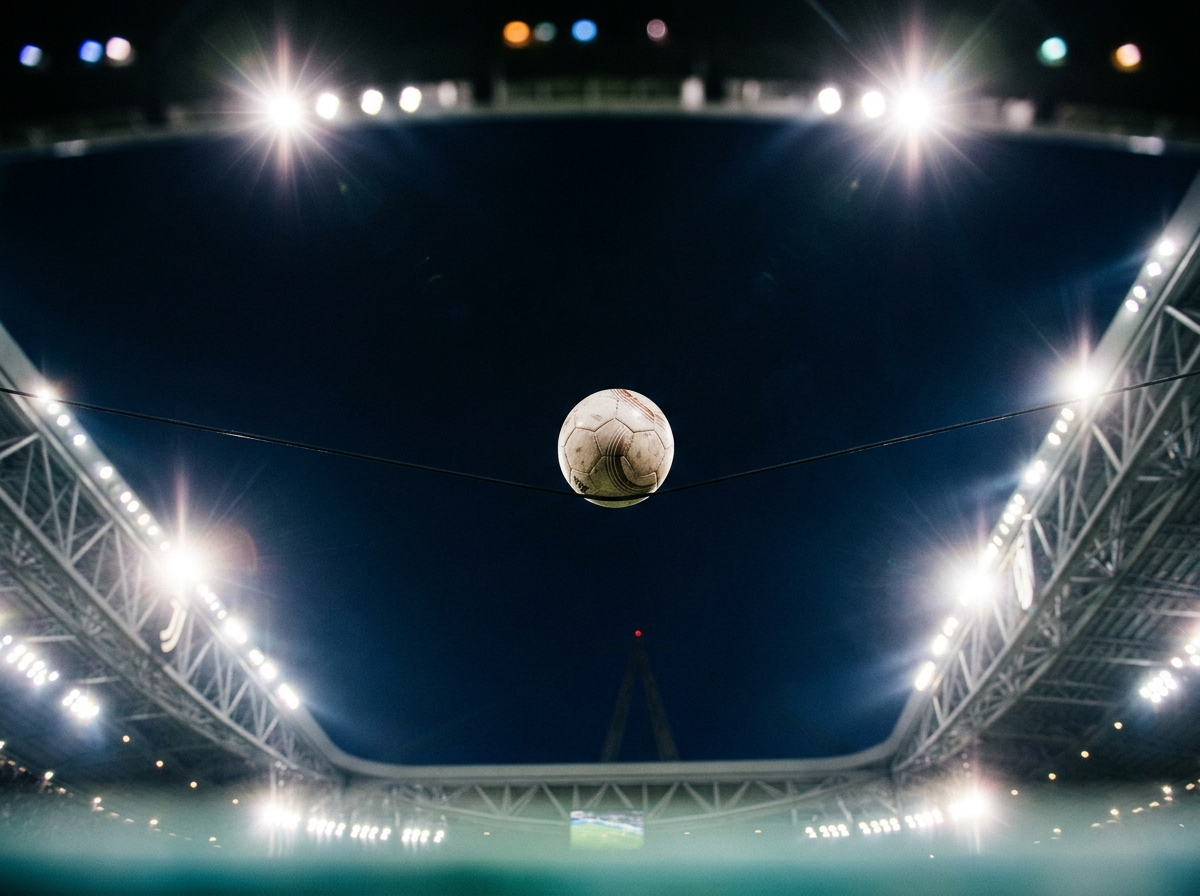
The sequence unfolded moments before halftime, with Norway leading and England pressing for a response. Norway goalkeeper Orjan Nyland launched a goal kick that appeared to strike a suspended cable connected to the robotic skycam system, altering the ball’s trajectory before Bellingham capitalized to equalize for England. Crypto Briefing
Nyland’s kick traveled so high that the ball hit the camera cable in the air before falling back down to the pitch, and two passes later, Bellingham finished with an excellent strike. The goal came in first-half stoppage time, fired into the net after a driving run into the box, with the ball falling to Elliot Anderson in the buildup after the disputed goal kick. Yahoo!Sky Sports
The finish itself was never in question. Bellingham created space and buried his chance with the composure that has defined his tournament. The problem lies entirely in what happened while the ball was still sailing through the Florida sky seconds earlier.
The Replays That Sparked the Firestorm
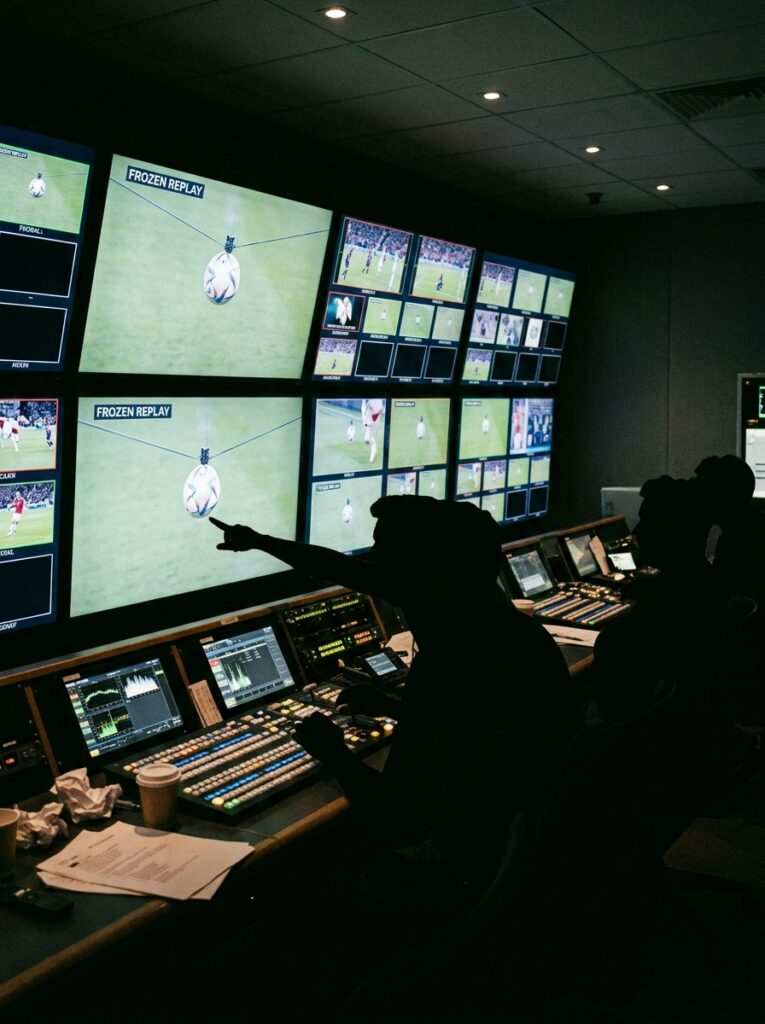
The controversy might have stayed on the Norwegian bench if not for the halftime broadcast. Fox’s studio crew showed a replay during the break indicating the ball hit a camera cable high in the air in the moments before Bellingham’s goal, which should have resulted in a drop ball. Yahoo!
The replay showed the ball hitting a camera cable before England started the drive that led to the Bellingham goal, and once that footage circulated, social media did the rest. Viral footage captured furious reactions from the Norwegian bench as the controversy exploded online. Yahoo SportsBolavip
Norway manager Stale Solbakken was visibly upset by the incident, and it is not difficult to understand why. His team was leading a World Cup quarterfinal, seemingly undone by a piece of broadcast infrastructure that the officials never acknowledged. Yahoo!
FIFA’s Official Response
FIFA moved quickly to shut down the storm, leaning on its ball-tracking technology rather than the video everyone was watching. In a statement posted to its official account, FIFA said that before England’s goal in minute 45+2, the sensor in the Connected Ball showed no peak in the “heartbeat of the ball” while airborne, and therefore no evidence of contact with the overhead wire. Bolavip
FIFA also stated it had checked the data and found nothing on the graph to suggest the ball struck the cable. In plain terms, the governing body’s position is that its sensor technology registered no anomaly, so no interference occurred. Yahoo!
That leaves FIFA in a familiar and uncomfortable position, defending a controversial call with data while the world watches replays that suggest otherwise. When the evidence of your own broadcast partner appears to contradict your sensors, pointing at a graph convinces very few people. Crypto Briefing
What the Rules Say Should Have Happened
This is where Norway’s grievance gains real weight, because the relevant law is not ambiguous. Under the Laws of the Game, if a ball strikes an object that is not part of the field of play, such as a cable hanging above the pitch, play should be stopped. Crypto Briefing
Fox Sports’ Rebecca Lowe explained at halftime that under FIFA rules, contact with any outside object means the whistle should go and play should restart with a drop ball. Had a deflection occurred, the referee should have disallowed Bellingham’s equalizer and restarted with a dropped ball. Yahoo!Bolavip
The VAR question makes it worse for FIFA. Former referee and rules analyst Mark Clattenburg said the incident was reviewable, since an attacking phase of play leading to a goal falls within VAR’s scope, and the contact should have been picked up. In other words, even if the on-field officials understandably missed a ball clipping a wire high above their sightlines, the review system existed precisely for this moment and stayed silent. Yahoo!
Why This Stings So Much for Norway
Context turns this from a refereeing footnote into a genuine sporting heartbreak. This marked Norway’s first ever appearance in a World Cup quarterfinal, a historic run powered by Erling Haaland’s performances throughout the tournament. It was also the furthest Norway had ever advanced at a World Cup. Crypto BriefingNPR
And Norway had earned their lead. Andreas Schjelderup put them ahead, and England were fortunate not to fall further behind when Alexander Sorloth hesitated on a two-on-one break instead of releasing Haaland. The equalizer arrived at the worst possible psychological moment, in stoppage time just before the break, flipping the match’s momentum on a play Norway believes should never have counted. ESPN
The frustration compounded after halftime. Torbjorn Heggem thought he had restored Norway’s lead from a corner, only for a video review to rule that Haaland had pushed an English player before the delivery. Norway watched VAR intervene against them on a marginal call while staying silent on the cable incident, a contrast that will fuel this debate for years. NPR
Bellingham then settled matters three minutes into extra time, pouncing after Nyland spilled Morgan Rogers’ strike, taking his tournament tally to six goals. ESPN
The Bigger Questions FIFA Now Faces
This controversy cuts deeper than one match because it strikes at the technology FIFA has staked its credibility on. The Connected Ball sensor was introduced to make officiating more precise, yet here it is being used to dismiss what broadcast cameras appear to plainly show. Either the sensor missed a genuine contact, which undermines confidence in the system, or the replays are deceiving millions of viewers, which FIFA has not convincingly demonstrated.
There is also the skycam question itself. Overhead camera systems fly over major stadiums worldwide, and their cables hang directly in the path of high goal kicks and clearances. If a ball can strike one during a World Cup quarterfinal without any stoppage or review, tournaments may need clearer protocols for exactly this scenario, including cable heights, automatic review triggers, and transparency about sensor data when disputes arise.
For now, the result stands and no mechanism exists to change it. England advance to only the third World Cup semifinal in their history, where they will face either Argentina or Switzerland on July 15. Norway go home with a historic run forever attached to an asterisk they did not choose. Sky SportsESPN
Frequently Asked Questions
Did the ball actually hit the camera cable before Bellingham’s goal?
Broadcast replays shown at halftime indicated the ball struck a camera cable high in the air during Nyland’s goal kick, while FIFA states the Connected Ball sensor showed no peak suggesting any contact occurred. The two accounts remain in direct conflict. Yahoo!Bolavip
What should the referee have done if the ball hit the cable?
Under the Laws of the Game, when the ball strikes an object that is not part of the field of play, the referee should stop play and restart with a drop ball, which would have wiped out the attacking sequence entirely. Crypto Briefing
Could VAR have intervened?
According to rules analyst Mark Clattenburg, yes, because the contact occurred within an attacking phase leading to a goal, which falls inside VAR’s reviewable scope. Yahoo!
Can Norway appeal the result?
No realistic mechanism exists for overturning a completed match result over a missed in-game incident. The final score stands, and England’s place in the semifinals is confirmed.
Who does England play next?
England face either Argentina or Switzerland in the semifinal on July 15, with the match set for Atlanta. ESPNNPR
Conclusion
Jude Bellingham deserves his headlines. Six goals in a World Cup, two of them in a brutal quarterfinal fought through Miami heat, is the stuff of legend. Yet the story of this match will always carry a second thread, the one where a goal kick brushed a hanging cable, the officials played on, and FIFA answered the world’s replays with a graph.
Norway’s historic run ended on a night when the rules, by the account of broadcasters and analysts alike, appear not to have been applied. Whether the sensor failed or the footage deceives, FIFA owes the game a fuller explanation than a missing peak on a chart. Until it provides one, every skycam cable at this World Cup will hang over the pitch like a question mark.